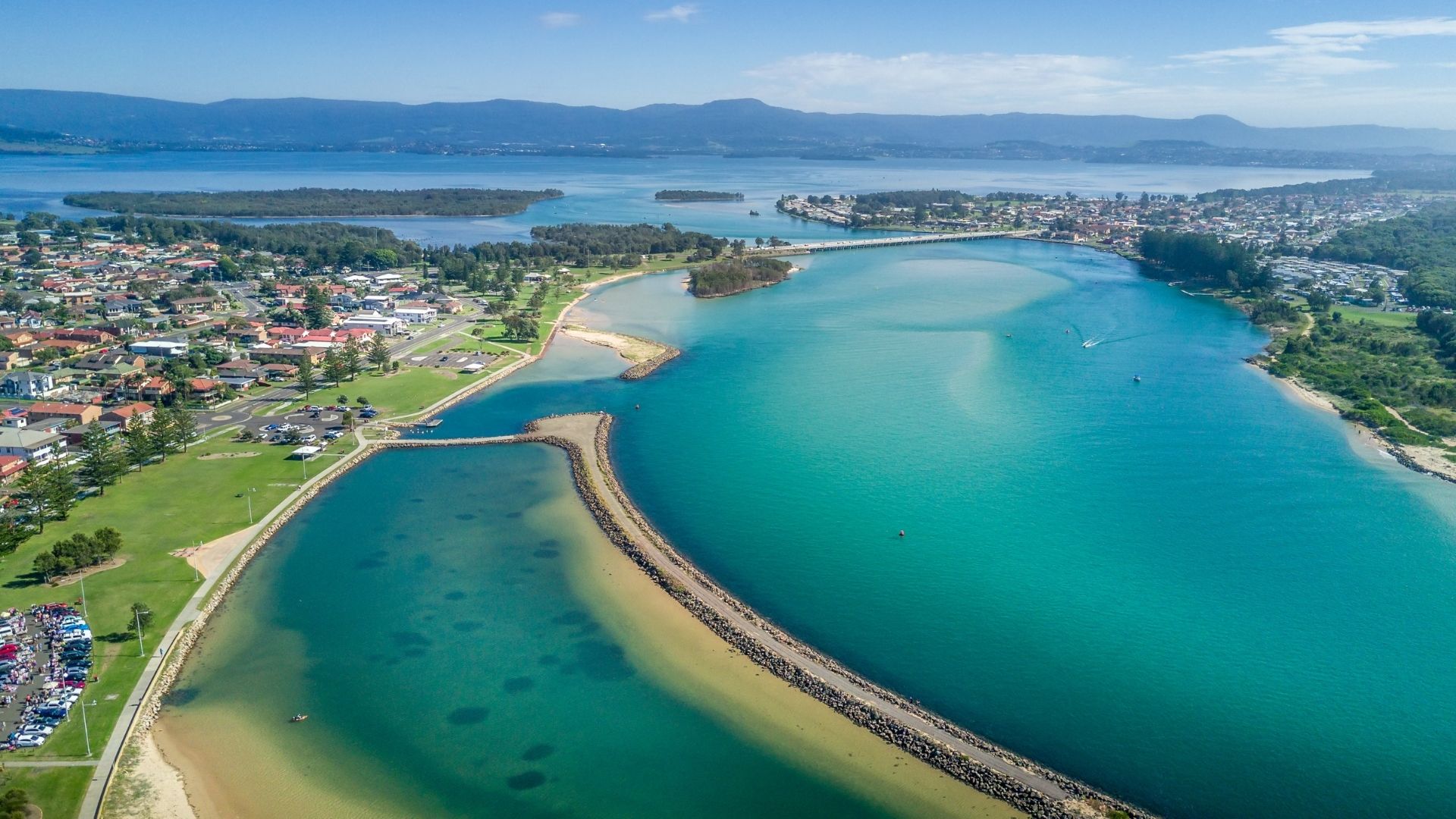
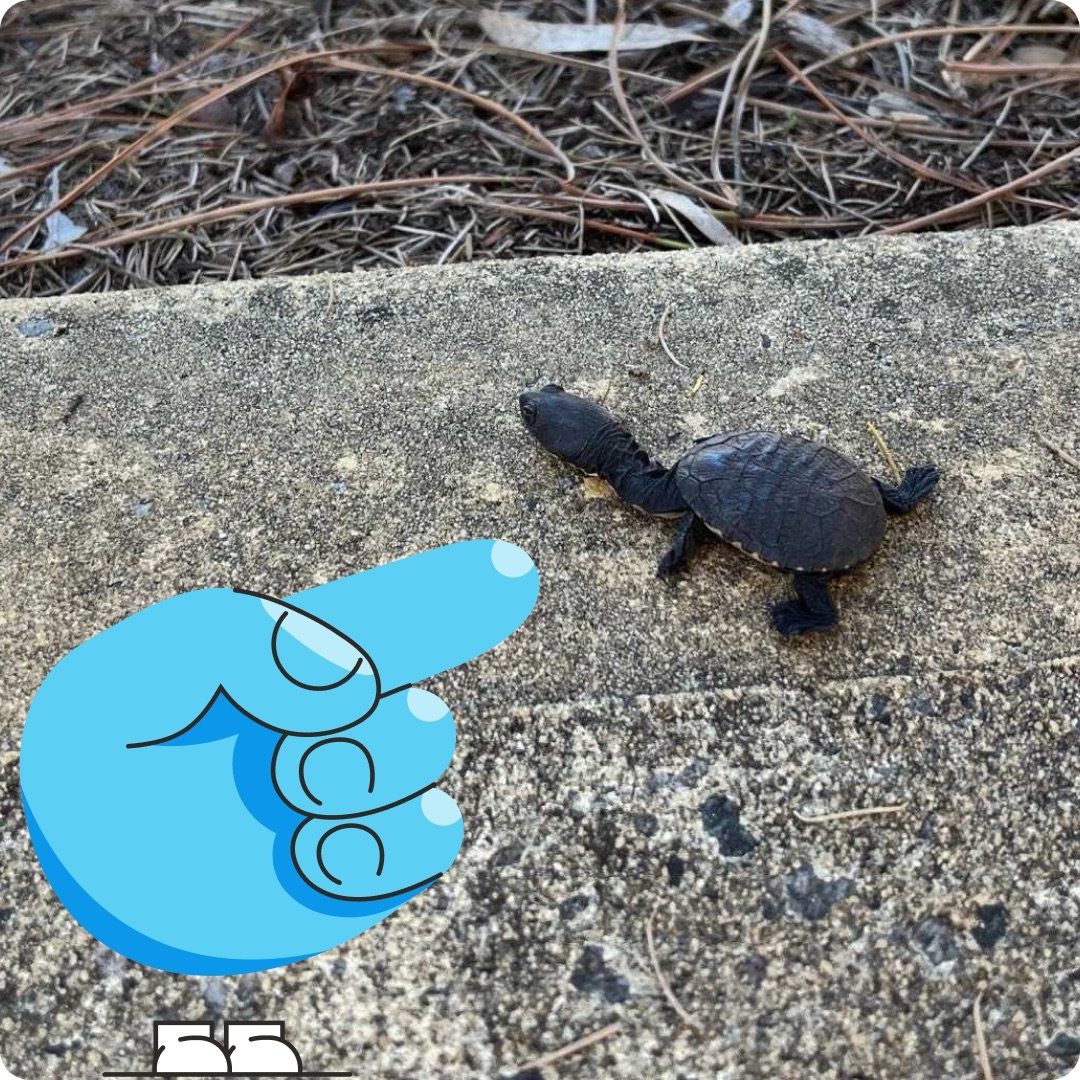
World Lake Day falls on the 27th of August each year, and if you've ever gone for a walk around your local lake, taken a dip, or just admired the wildlife from a park bench, this one's for you.
Lakes do a lot of quiet work. They're home to fish, frogs, turtles and birds; they help manage stormwater, and they give us somewhere nice to stretch our legs. But they're also easy to overlook, which means the small stuff (a patch of weed, a bit of rubbish, an abandoned trolley) can build up before anyone notices.
Here's what to look out for around your local lake, and how Snapping it can help local Solvers stay on top of it.
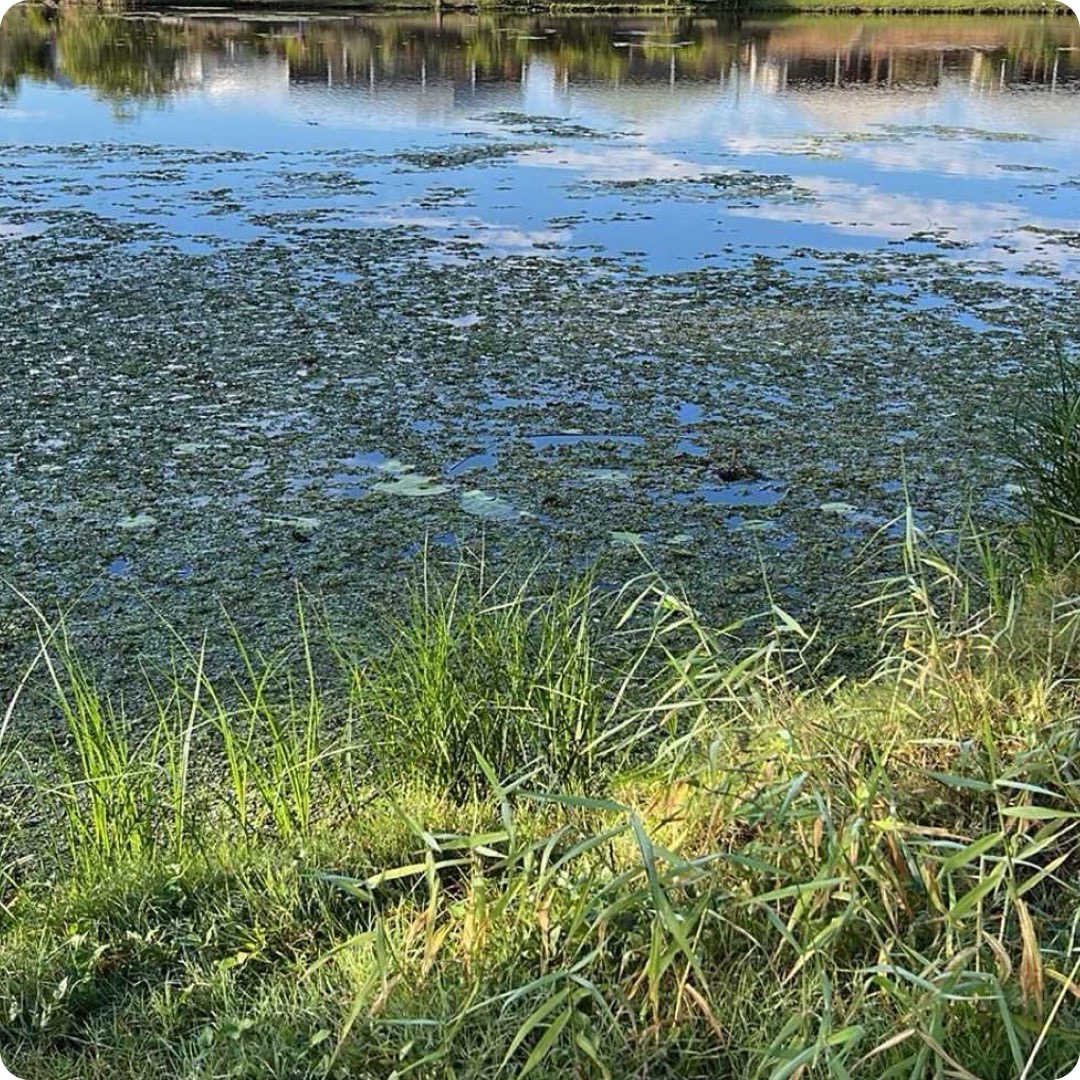
Green doesn't always mean clean.
Freshwater weeds might look lush from the bank, but they can spell trouble beneath the surface. Fast-growing invaders like cabomba and salvinia choke out native plants, drop oxygen levels, and make life tough for fish, frogs and birds.
Snapping suspicious water weeds can help local Solvers act early, before things get out of hand.
Sunk, but not forgotten.
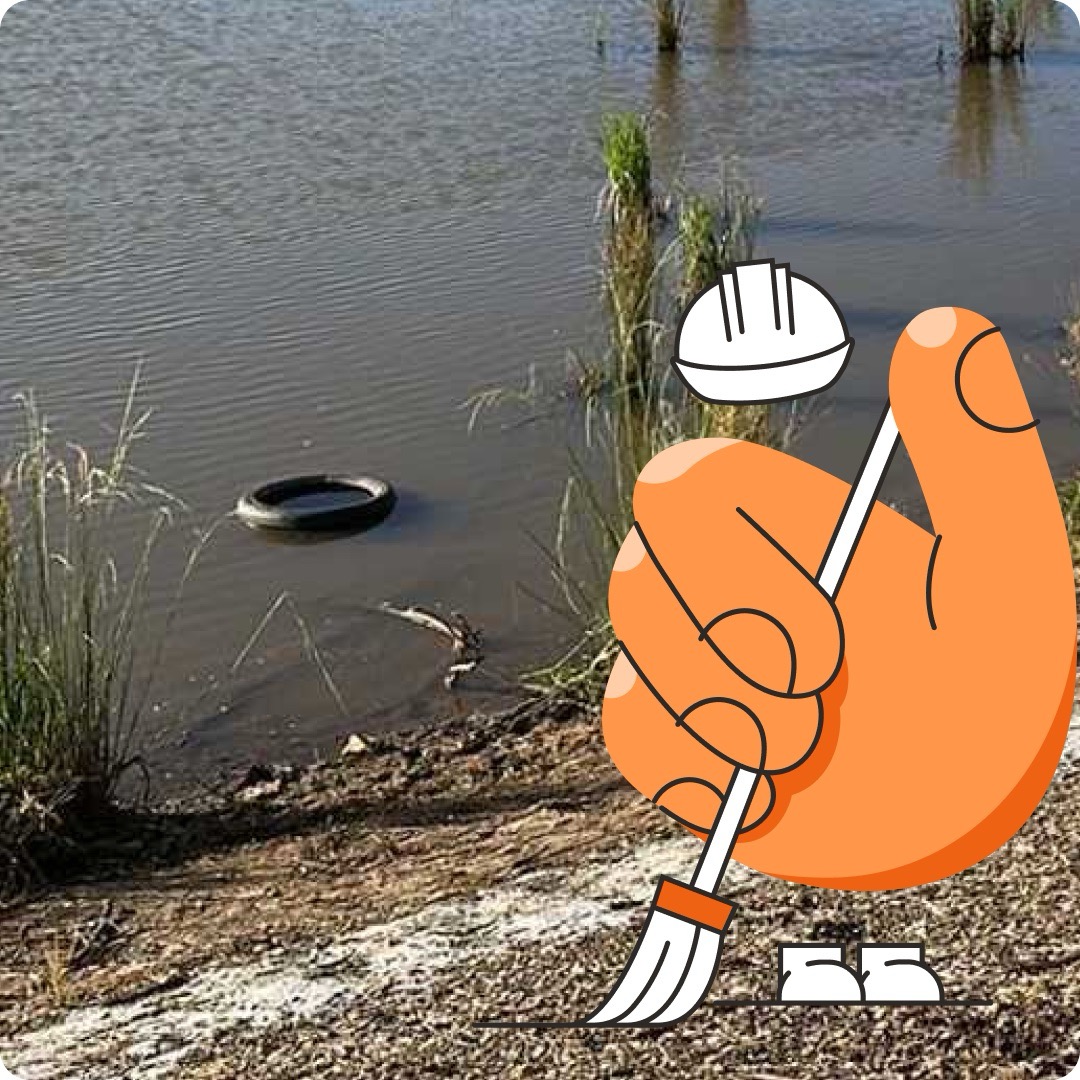
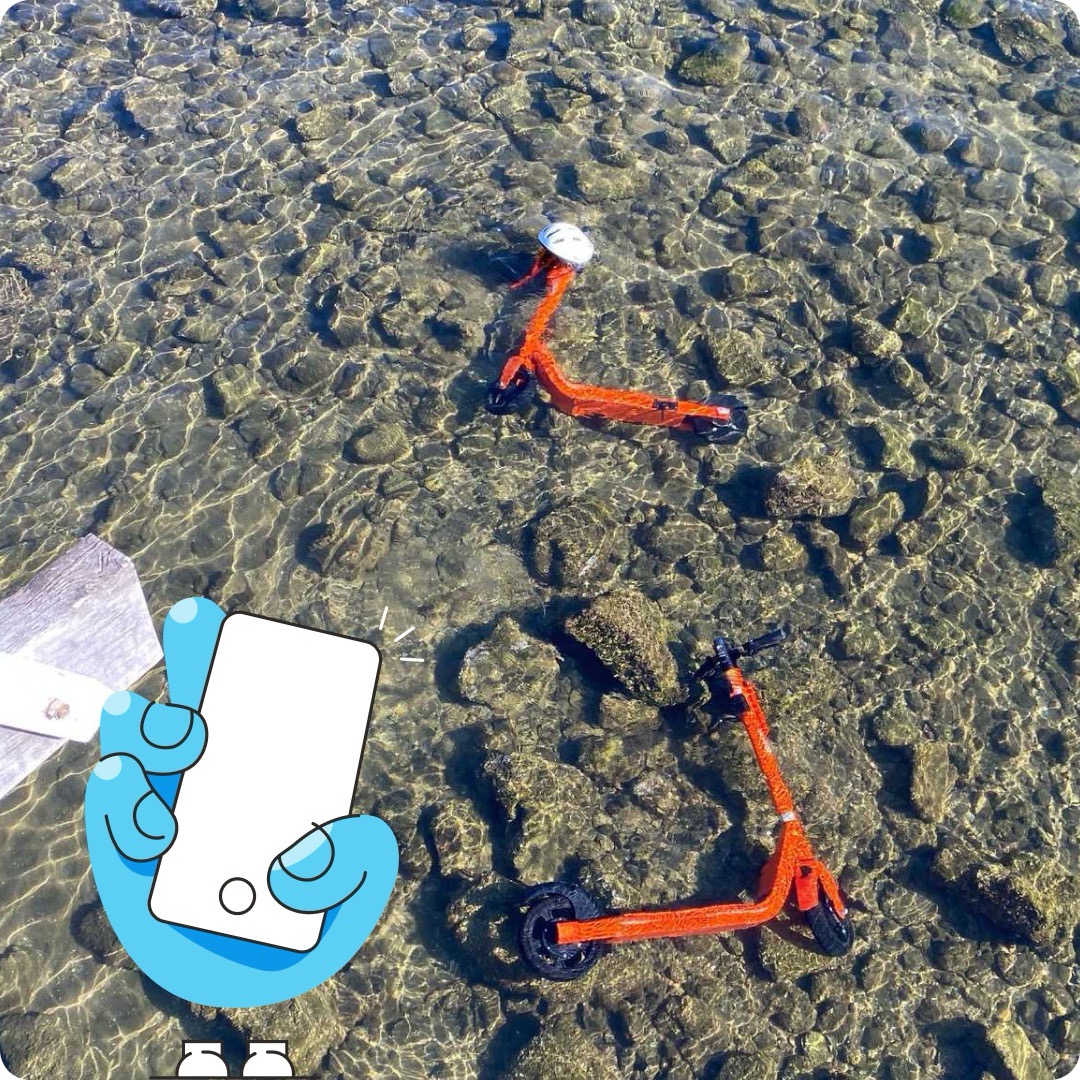
Dumped rubbish might be out of sight once it sinks, but it doesn't stop causing problems. It quietly leaches chemicals, smothers plants, and turns healthy lakes into long-term dumping grounds.
Snapping dumped rubbish can help protect the water quality and wildlife that rely on a clean habitat.
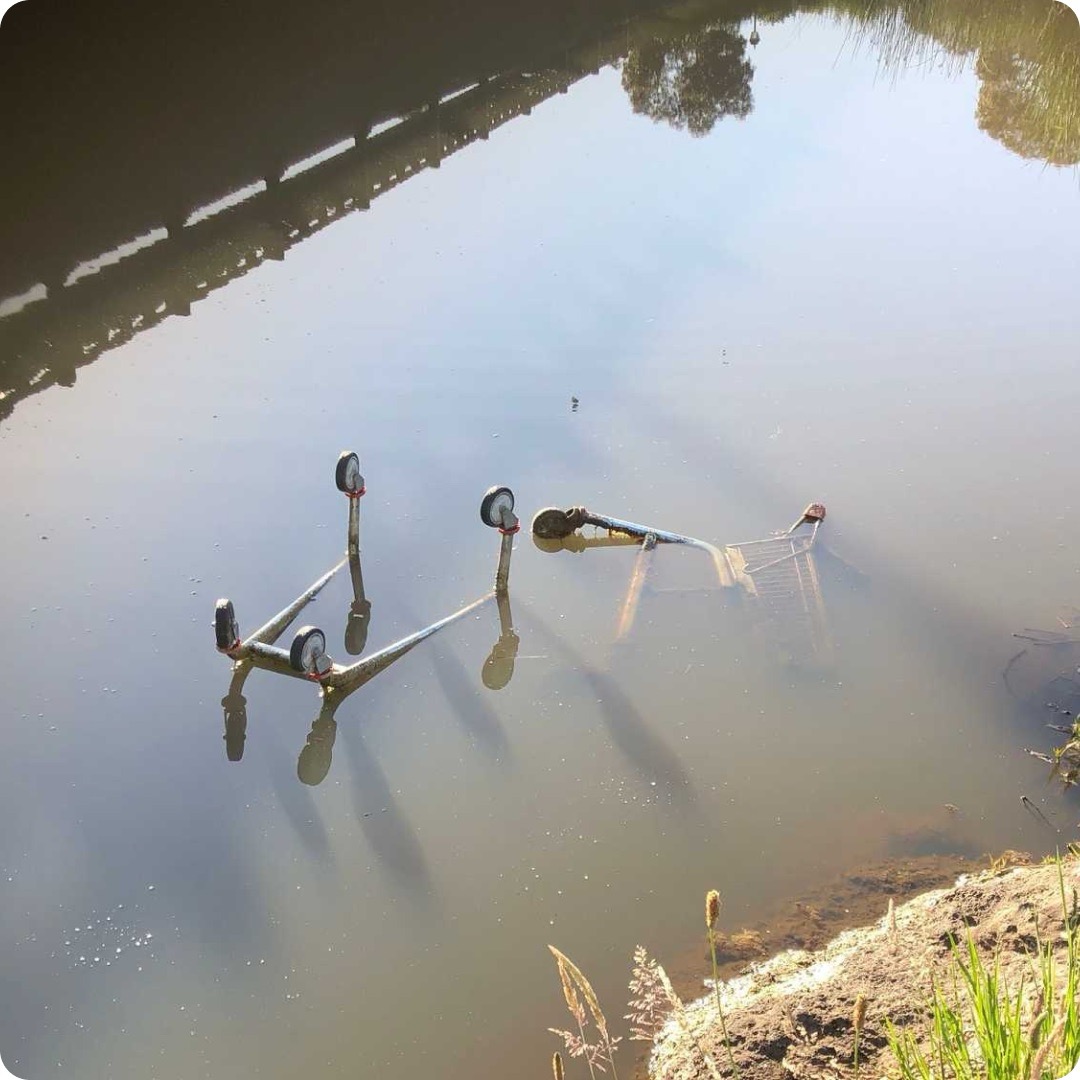
Not exactly the all-terrain adventure it was built for.
Shopping trolleys don't belong in nature. Left in a lake, they rust, leach metals, and can trap or entangle fish and birds in ecosystems that are already under pressure.
This World Lake Day, let's keep nature wild, not wheeled.
Small lake, big responsibility.
Our lakes are home to some of Australia and New Zealand's most vulnerable creatures. Every Snap you send helps play a part in protecting the ecosystems they rely on.
You don't need to be a marine biologist to make a difference to your local lake. Just keep an eye out, and stay Snappy.

Snaps around town
Share this post


Send a Snap
Use this form to send a Snap today.


