Interviewees: Michael Spikmans, Manager Customer Experience and Innovation and Nathaniel Ford, Customer Experience Specialist at Inner West Council
Inner West Council is a large, culturally diverse organisation in Sydney. They are currently shifting toward a digital-first culture to better serve their tech-savvy residents. By deploying over 900 Asset Based Reporting QR codes, the Council replaced manual processing with a streamlined solution.
A Culture of Innovation
Inner West Council wants to meet customers exactly where they are. The Council recognised the need to make their reporting process more mobile-friendly, acting directly on feedback from residents in their CX community engagement groups.
Michael Spikmans, Manager of Customer Experience and Innovation, explains the change. "We have been shifting into a culture that is open to trying new things, especially when it generally makes the community’s life easy and also helps our staff." Rising community expectations and outdated processes sparked the need for smarter tools.
Less Guesswork, More Groundwork
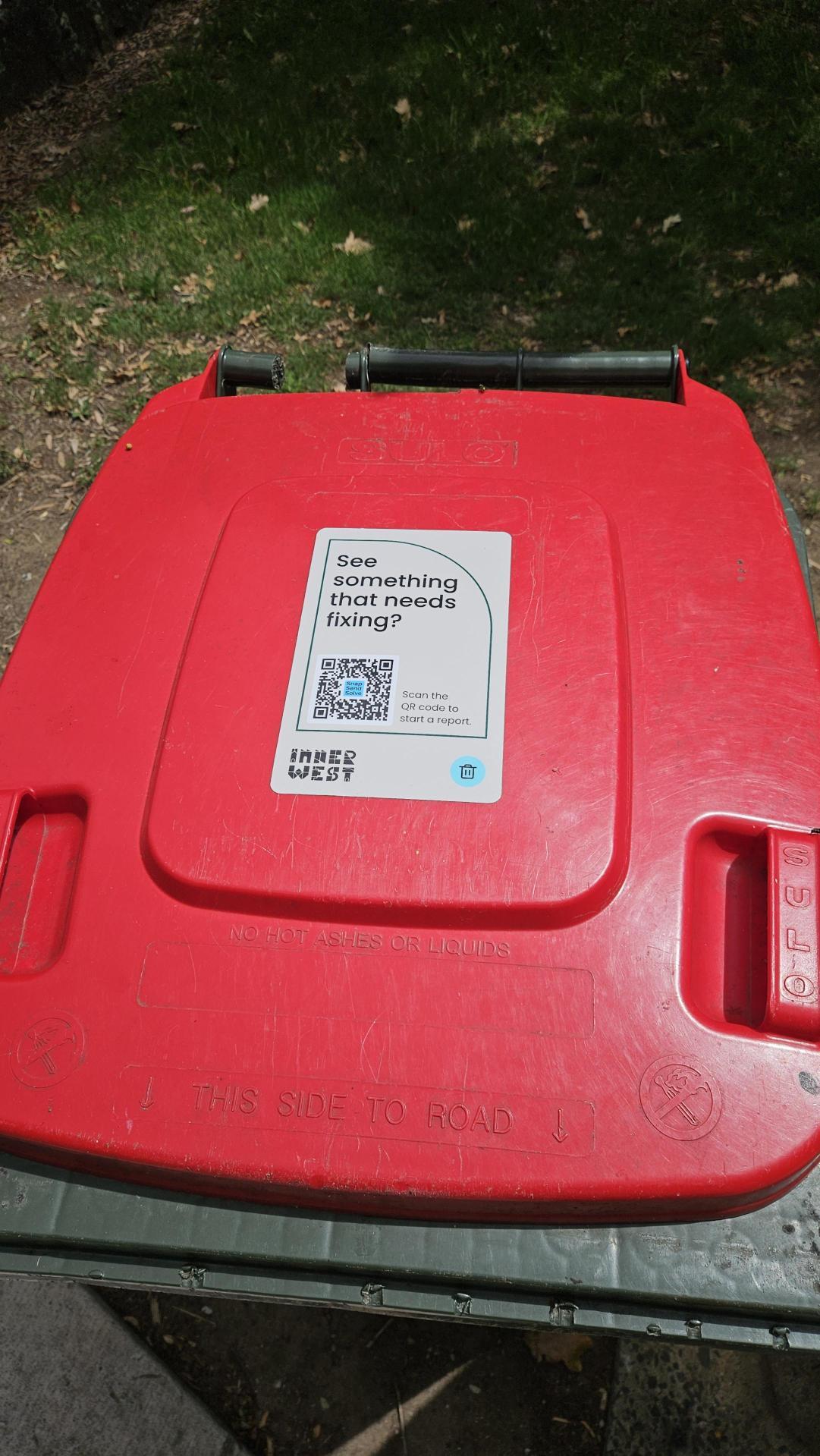
To bridge this gap, Inner West Council launched over 900 weatherproof QR codes across public assets like park bins and public toilets. This Asset Based Reporting module allows residents to scan an asset and start a report instantly, without needing to install an app.
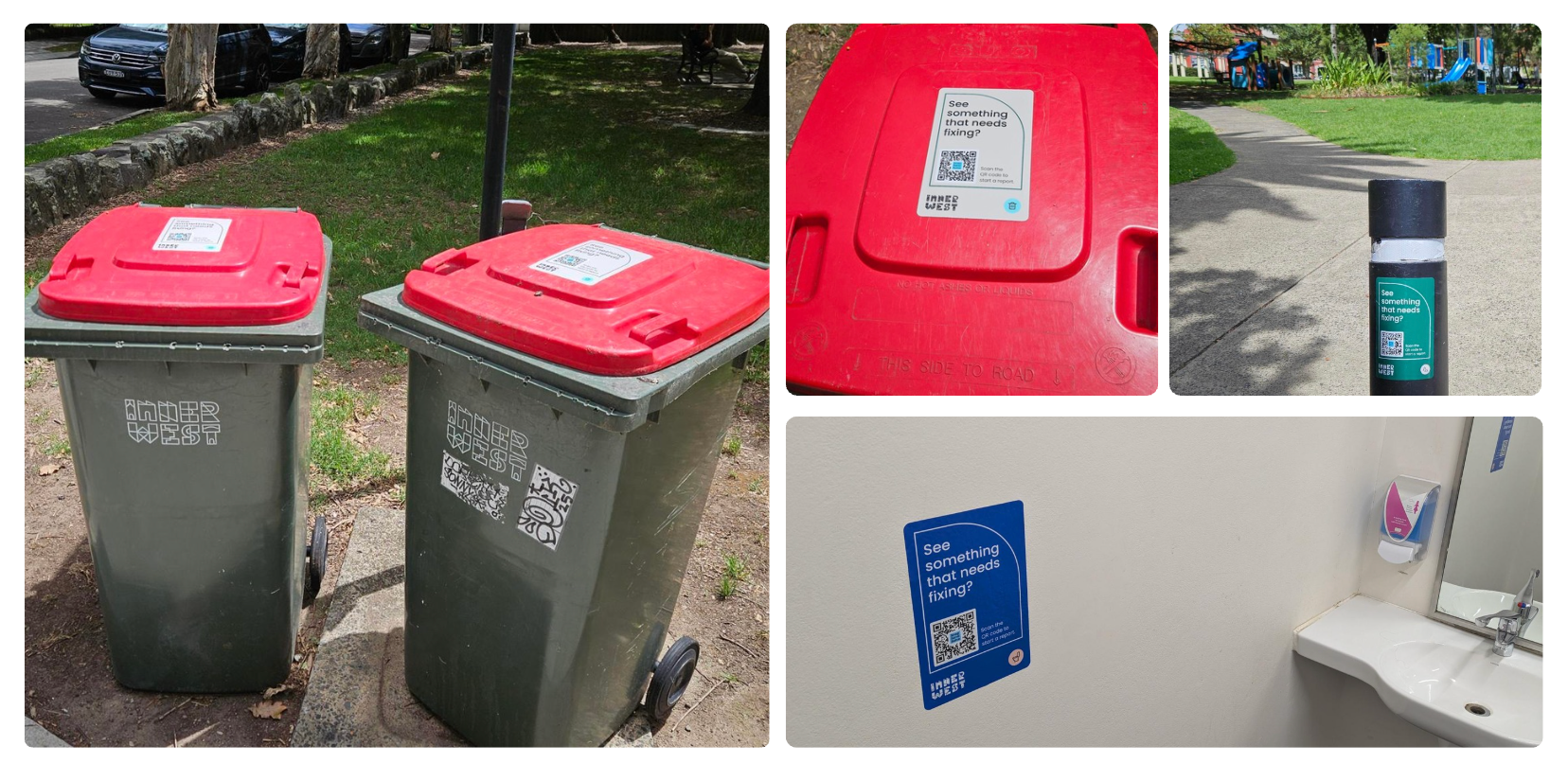
Nathaniel Ford, Customer Experience Specialist, highlights the benefits. "The good thing about Asset Based Reporting is it totally removes the friction. You just point and click. You don't need to log in or figure out a category. We already know exactly what the asset is and where it is located."
This streamlined approach takes the heavy lifting off the resident and lets the technology do the hard work.
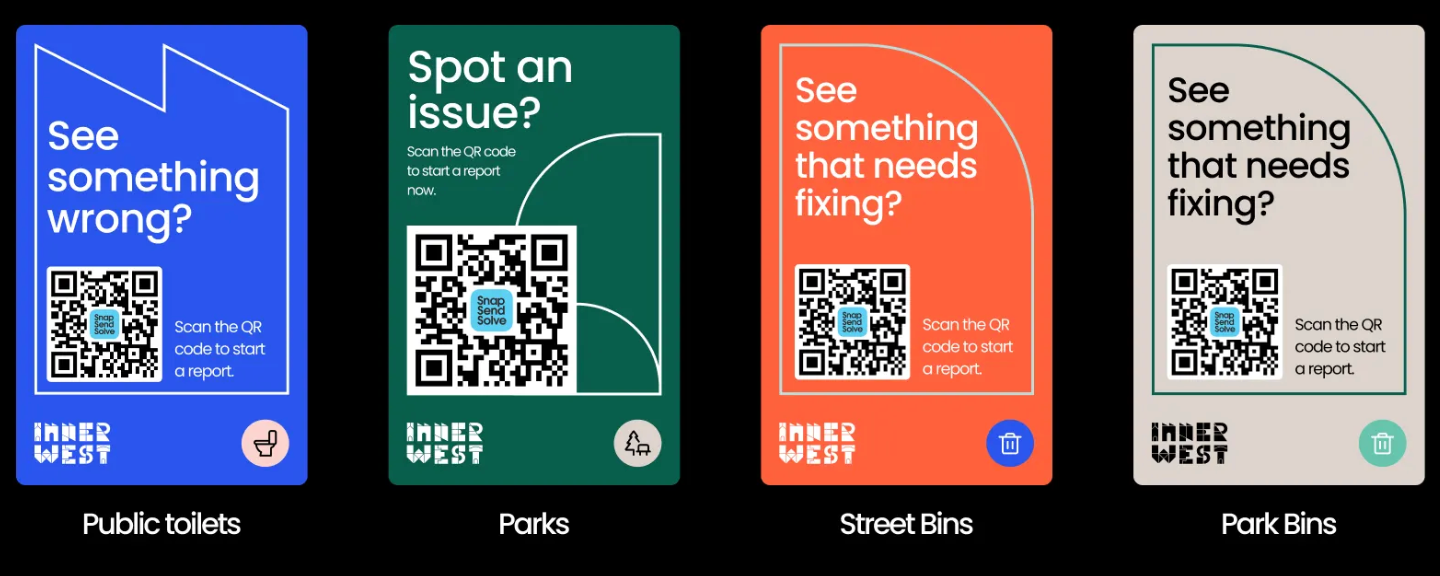
Inner West Council’s Asset Based Reporting signs: A series of color-coded QR designs deployed across the community to make reporting issues instant and easy for residents.
Moving from Reactive Repairs to Proactive Maintenance
By moving from reactive repairs to proactive maintenance, Inner West Council has turned simple community reports into a powerful tool for asset management.
Connecting high-quality data directly into their workflow removes manual data entry and location guessing, ensuring teams get the right information on the right asset the first time. This automated process reduces back and forth to speed up repairs and catches minor issues before they become expensive failures, building public trust through modern, visible competence.
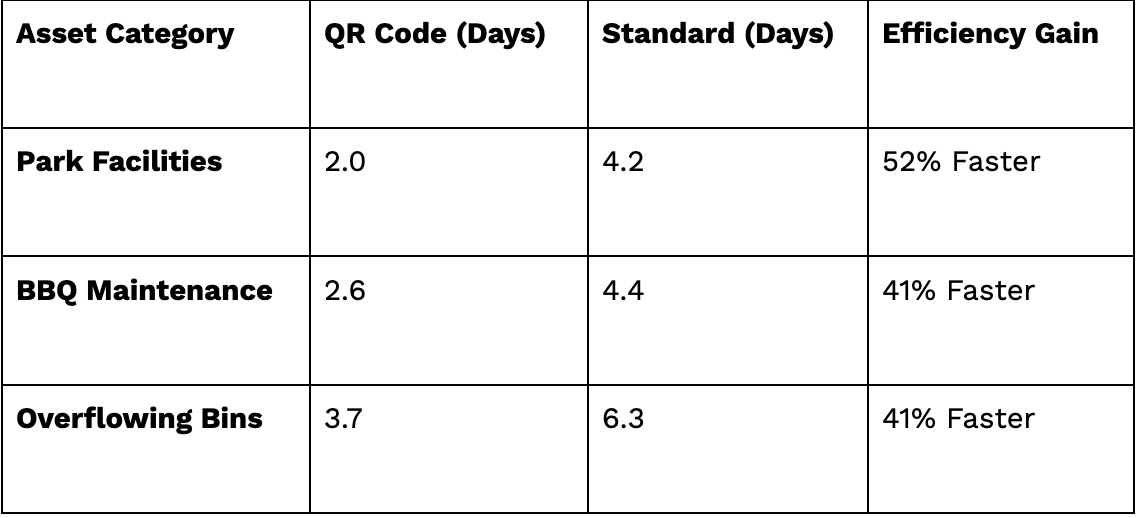
Inner West Council: Performance by Asset Type
Within the Inner West Council, QR code reports are significantly accelerating resolution times, with issues being marked as 'Closed' in nearly half the time of standard reports.
Snap Send Solve Network Benchmarks
Across the board, QR codes are driving higher engagement and efficiency across our partners, consistently outperforming standard reporting methods in both speed and satisfaction.
- 9% Higher Satisfaction: Broadly, reports generated via QR codes are consistently rated higher for overall customer experience compared to standard reports.
- 4% Faster "Speed to Solve": Data across the Snap Send Solve platform shows higher speed ratings for issues reported via QR codes, likely due to precise asset identification and location accuracy.
The Future of Asset Stewardship
With the success of the initial 900 codes, Inner West is now looking to expand Asset Based Reporting to community centres and aquatic facilities.
"Our goal is a seamless experience across all channels," Michael concludes. "It is all about providing first-contact resolution and meeting the customer in the channels they prefer. My only regret is that we didn't do this sooner."

Stay in the loop with insights that matter
Sign up for exclusive research, industry insights, and updates tailored for Solvers on the Snap Send Solve platform.
.png)